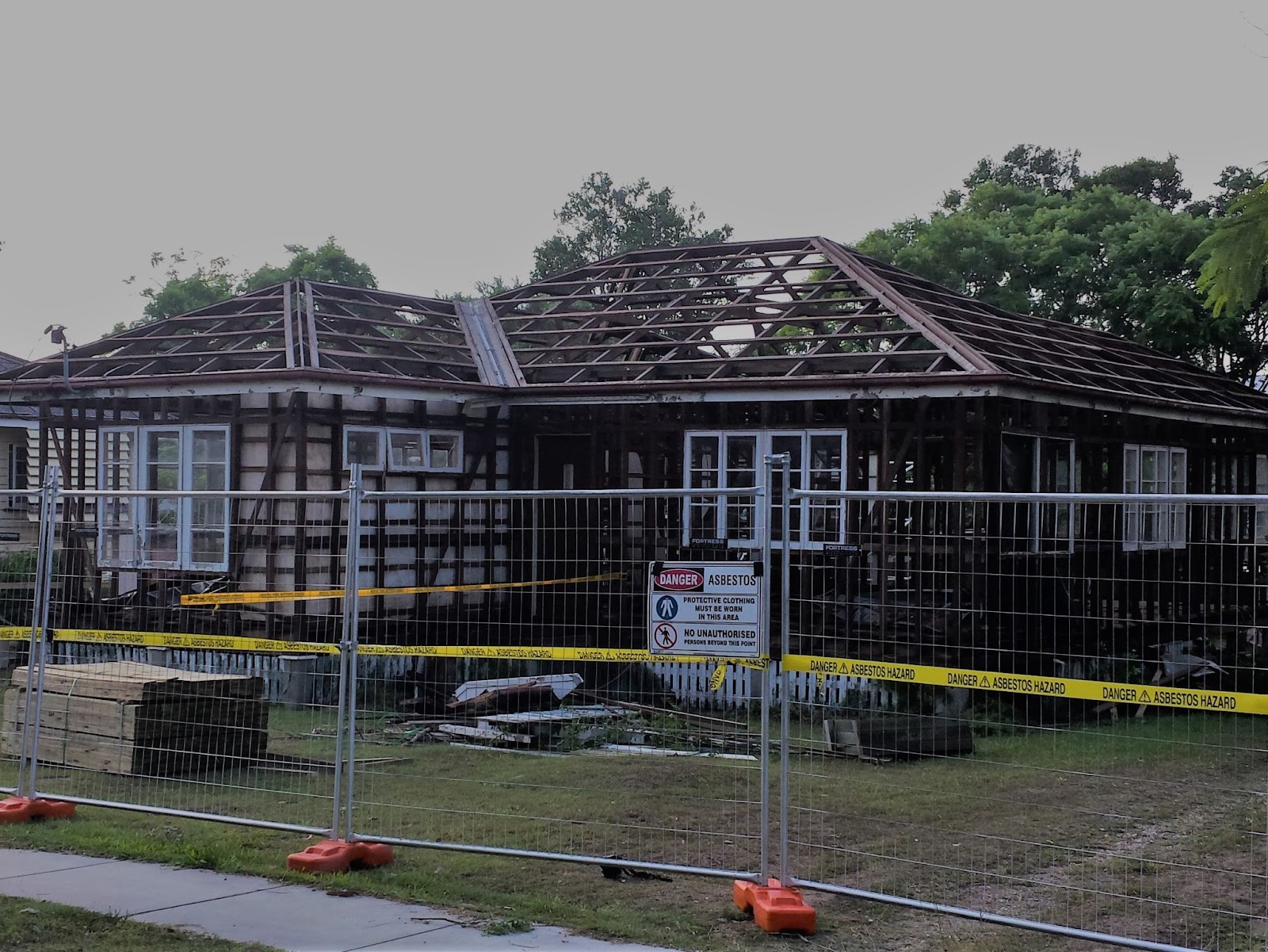
TL;DR
- Asbestos is a group of natural fibrous minerals used in more than 3,000 building products before being phased out. An estimated one-third of Australian homes and properties built before 1990 may still contain it.
- It’s most commonly found in cement sheeting, roofing, vinyl floor tiles, insulation around hot water pipes, and textured ceilings, especially in older homes.
- Visual identification alone is never sufficient. Many asbestos-containing materials look identical to safer alternatives, so only laboratory testing can confirm what you’re dealing with.
- Professional identification involves a site inspection, sampling, NATA-accredited laboratory testing and, where required, an asbestos register or management plan.
- If you suspect a material contains asbestos, don’t disturb it, call a licensed A-Class removalist, such as HM Group, for testing and safe removal.
In Australian homes and commercial buildings, a hidden danger may be lurking in plain sight. Asbestos, once celebrated as a miracle building material for its durability and fire-resistant properties, now stands as one of the most significant workplace health and safety challenges of our time. Whether you’re planning a renovation, preparing for demolition, or simply wanting to ensure your property is safe, understanding how to identify asbestos is crucial for protecting yourself, your family, and your workers. HM Group brings more than 27 years of experience in asbestos identification and removal across South East Queensland to help you get this right.
Before we dive into the specifics of asbestos identification, it’s important to understand why this topic demands our careful attention. Asbestos-containing materials remain present in millions of Australian properties built before the late 1980s, and when disturbed, these materials can release dangerous fibres that pose serious health risks. This is where HM Group’s expertise becomes invaluable. With 27+ years of experience in professional asbestos identification and removal across South East Queensland, we’ve developed comprehensive protocols to handle these hazardous materials safely and effectively.
In this guide, we’ll walk you through everything you need to know about identifying potential asbestos in your property, understanding the risks, and taking appropriate action to protect yourself and others. Whether you’re a homeowner, builder, or property manager, this information could help to protect your property and the people that reside in it.
“Assuming a material is safe simply because it looks fine is one of the costliest mistakes a property owner can make. Only professional testing can confirm whether asbestos is present. Which is why we always recommend a proper inspection before any renovation or demolition work begins.”
HM Group — A-Class Licensed Asbestos Removal Specialists, Brisbane
What Is Asbestos and Why Is It a Risk?
Asbestos encompasses a group of naturally occurring fibrous minerals that were extensively used in construction and manufacturing due to their exceptional durability, fire resistance, and insulating properties. These microscopic fibres, categorised as either serpentine (chrysotile/white asbestos) or amphibole (including amosite/brown and crocidolite/blue asbestos), were incorporated into over 3,000 different products used throughout Australian properties before being phased out in the late 1980s.
The primary danger of asbestos lies in its microscopic nature. When asbestos-containing materials are disturbed or deteriorate, they release invisible fibres that, when inhaled, can become permanently lodged in the lungs and surrounding tissues. With no safe level of exposure, these fibres can cause severe health conditions, including asbestosis, mesothelioma, lung cancer, and pleural disease. What makes these health risks particularly concerning is their long latency period — symptoms may not appear until decades after exposure, emphasising why proper identification and professional management of asbestos is crucial for protecting both current and future generations.
Where Is Asbestos Found in Australian Properties?
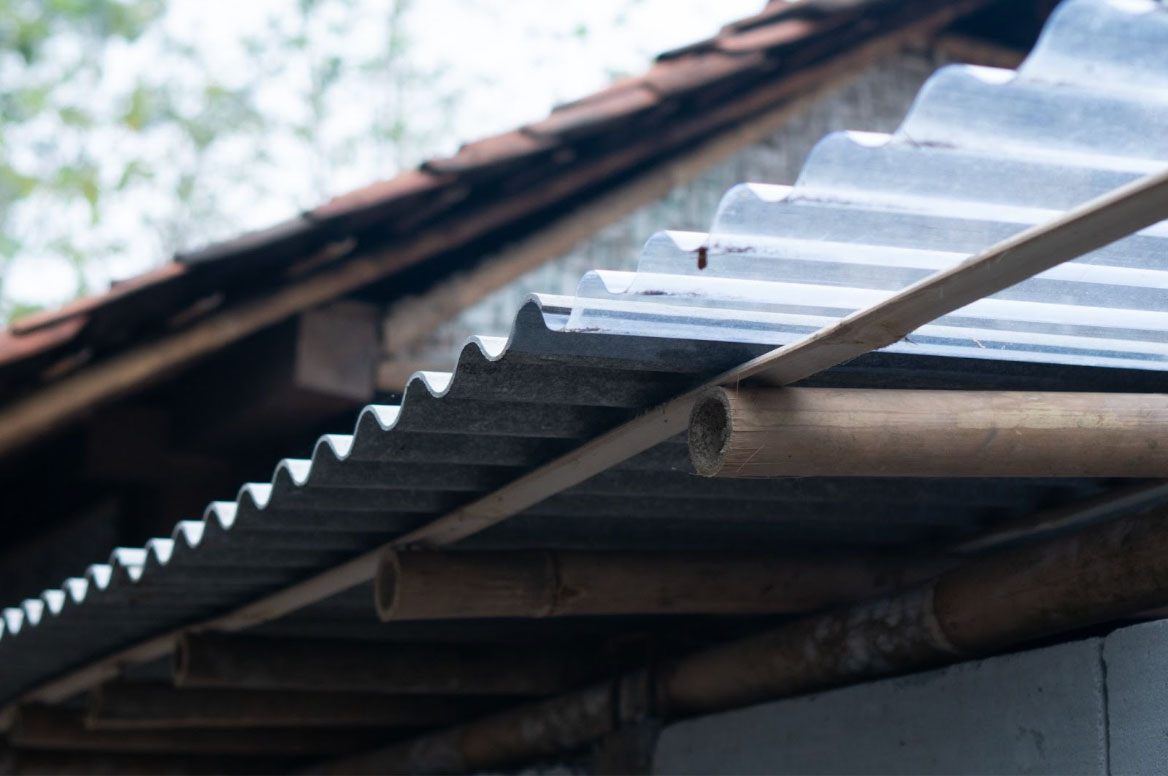
Asbestos was extensively used in Australian construction until the late 1980s, appearing in both residential and commercial properties across diverse locations. In residential buildings, you’ll commonly find asbestos materials in wall sheeting, particularly in wet areas like bathrooms and laundries, as well as in eaves, internal and external wall cladding, and roofing materials. Asbestos also appears frequently in flooring underlays, around hot water pipes, in old vinyl floor tiles, and within textured ceiling finishes. Two main forms exist: bonded asbestos (where fibres are firmly embedded in materials like cement sheeting) and the more hazardous friable asbestos (loose fibres found in old insulation or deteriorating materials).
How to Identify Asbestos: Key Signs to Look For
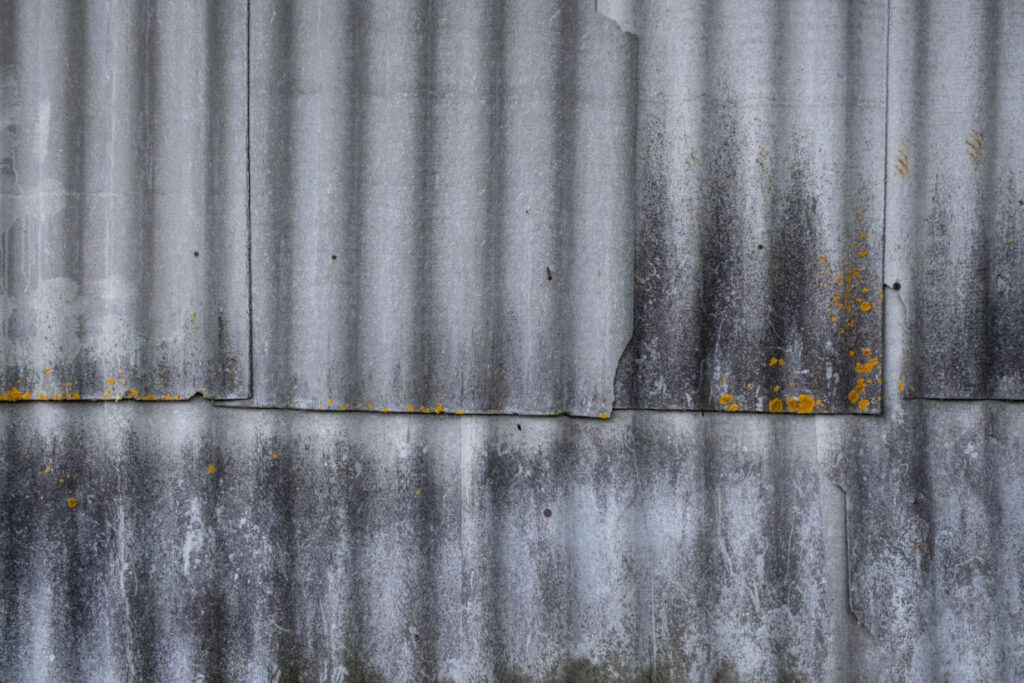
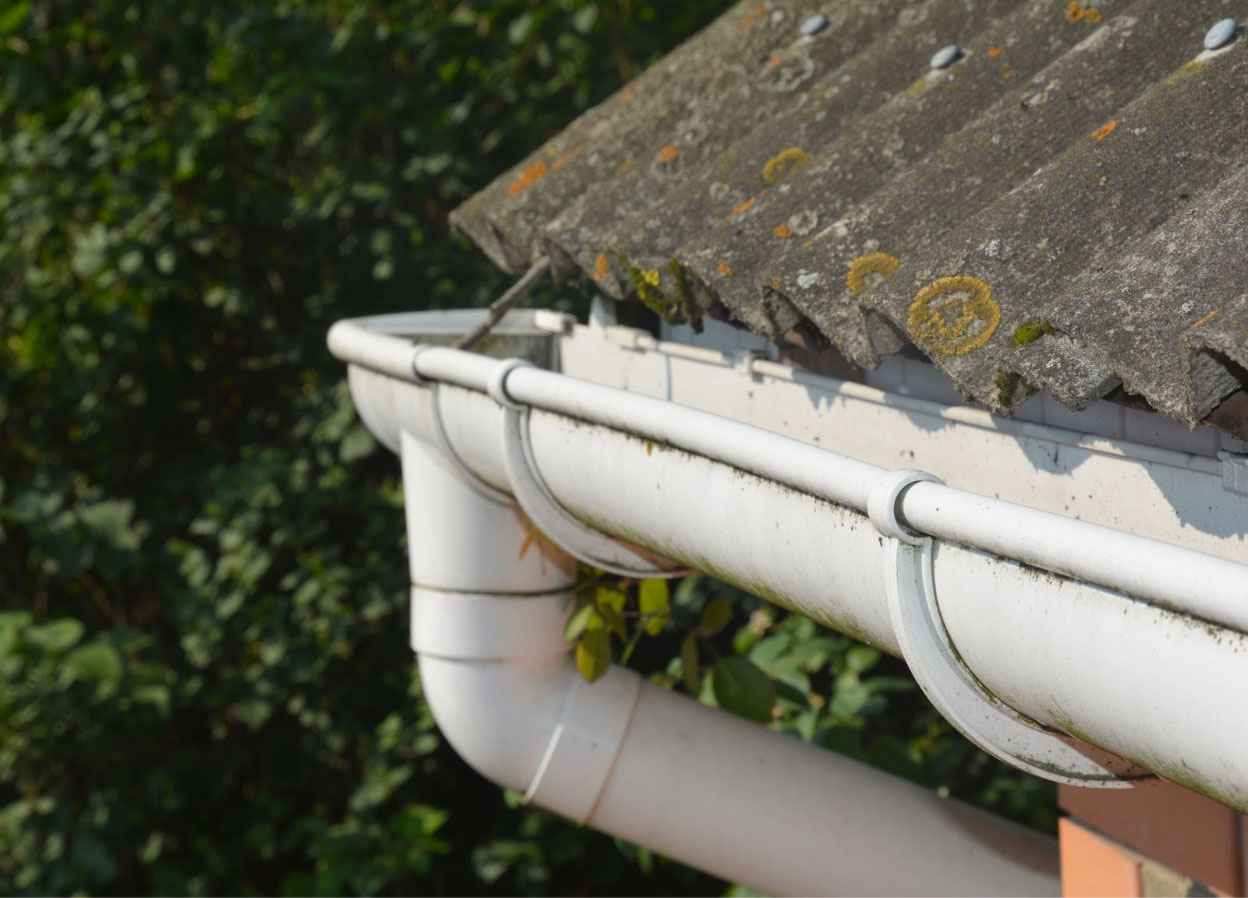
While certain visual indicators can suggest the presence of asbestos, definitive identification requires professional asbestos testing. Key indicators include the age of your building (pre-1990 structures are high-risk), distinctive dimpled patterns in cement sheeting (often called “dragon scale”), and the presence of old fibrous cement materials. Look for layered materials in areas like vinyl flooring, roof sheeting, or wall panels. However, many materials containing asbestos can appear identical to safer alternatives, which is why professional laboratory testing through accredited facilities is essential for confirmation.
How do I identify asbestos in my home or workplace?
If you’re asking how to identify asbestos in your own property, start with three questions: how old is the building, has the material been disturbed or damaged, and does it match one of the commonly known asbestos-containing products? Buildings constructed or renovated prior to 1990 should be treated as higher risk. From there, a professional visual inspection can help narrow down which materials warrant testing. However, even an experienced inspector can’t identify asbestos simply by sight, because many bonded materials look identical to modern fibre-cement or vinyl alternatives. The only way to confirm asbestos presence with certainty, and to determine which type is present, is to send a sample to an accredited laboratory. This is why homeowners should avoid collecting samples themselves. Cutting into a suspect material to test it is one of the most common ways fibres are released into the air, and it should always be left to trained asbestos professionals.
The most common asbestos-containing materials (ACMs)
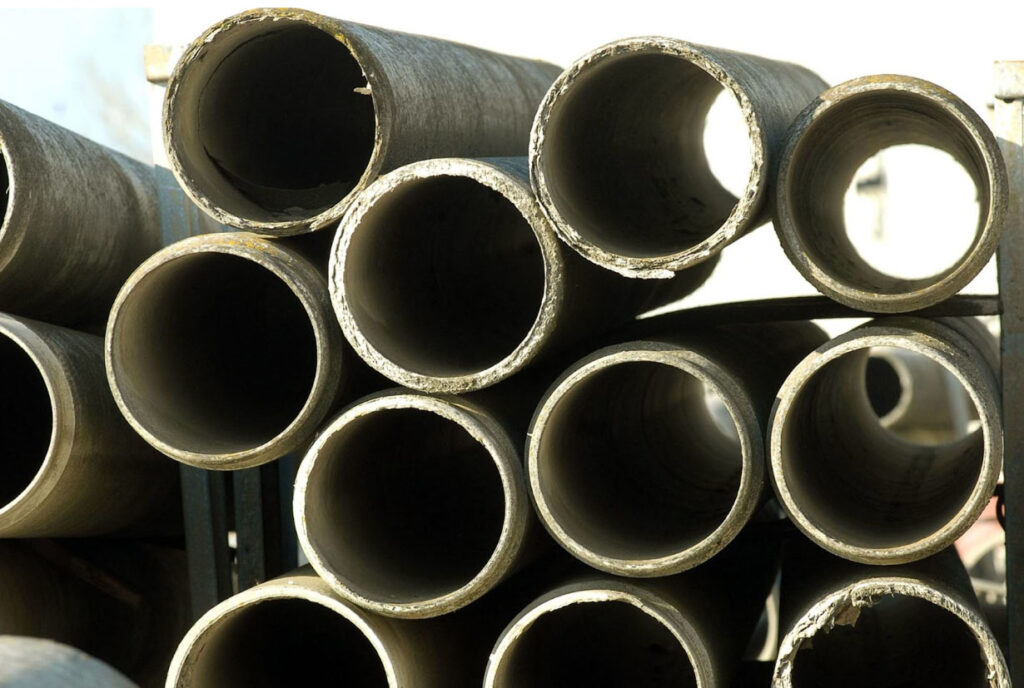
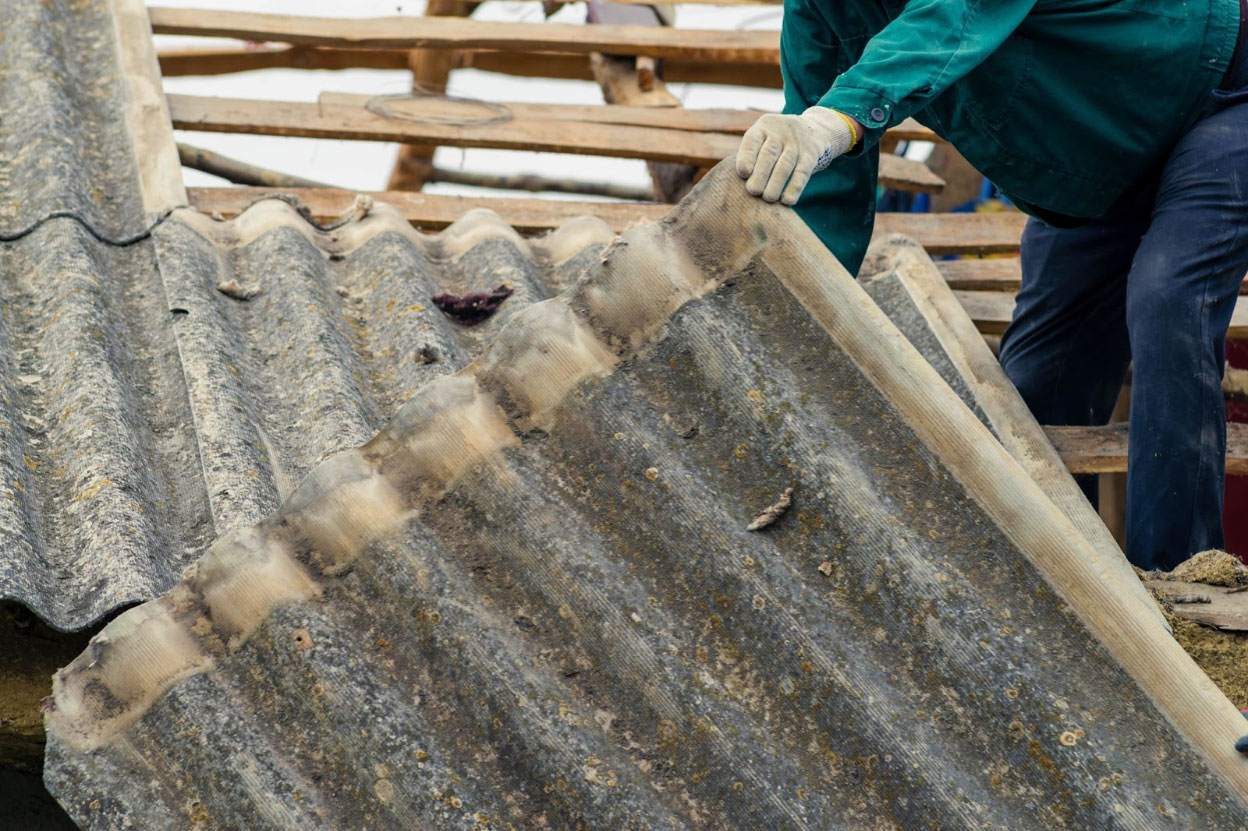
The most frequently encountered ACMs include fibro cement sheeting (used extensively in walls and ceilings), corrugated roofing, and water or drainage pipes. Other common materials include vinyl floor tiles and their adhesive backing, textured decorative coatings (particularly on ceilings), insulation around hot water pipes and boilers, backing boards in electrical meter boxes, and various forms of insulation in roof cavities. Even some older forms of window putty and caulking compounds may contain asbestos. Across this wide range of products, appearance alone is rarely a reliable guide. Even detailed images or photographs of confirmed ACMs are only useful for spotting materials worth testing, never for confirming asbestos presence on their own.
How to safely approach suspected asbestos materials
If you suspect a material contains asbestos, the golden rule is: do not disturb it. Never attempt to cut, drill, sand, scrape, or break any material that may contain asbestos. These actions can release dangerous fibres into the air. Instead, take these immediate steps:
- Avoid any activities that might disturb the material
- Contact licensed professionals like HM Group for proper assessment
- Do not attempt to cut, sample, or test the material yourself, even a small sample taken incorrectly can release airborne fibres
- Do not attempt DIY removal under any circumstances
- Keep the material damp if it must be handled (but only by licensed professionals)
The risks of asbestos exposure
Exposure to asbestos fibres can have devastating health consequences, often not appearing until decades after initial contact. When these microscopic fibres are inhaled, they can become permanently lodged in lung tissue, potentially leading to serious asbestos-related diseases like mesothelioma (cancer affecting the lining of the lungs or abdomen), asbestosis (scarring of lung tissue), and lung cancer. No level of asbestos exposure is considered safe, which is why proper identification and professional handling are essential for protecting yourself and others.
Professional asbestos identification and removal
Professional asbestos management follows a rigorous process to ensure safety and compliance. It begins with a thorough site inspection by licensed assessors who document where and how much asbestos is found in your home. Suspected materials undergo careful sampling and analysis at NATA-accredited laboratories. Results are recorded in a detailed asbestos register, which guides the development of a management or removal plan. HM Group’s certified professionals follow strict safety protocols during removal, including proper containment, air monitoring, and waste disposal procedures.
It’s worth understanding the difference between these two documents. In Queensland, an asbestos management plan is required when asbestos is left in place because it’s in good condition and unlikely to be disturbed. The plan sets out how that material is monitored and maintained over time. An asbestos removal control plan, by contrast, only comes into play once licensed removal work is scheduled, and it details exactly how that specific job will be carried out safely. If you’re working out which asbestos management plan QLD legislation requires for your property, HM Group can help clarify your obligations during the initial inspection. For larger commercial sites, our guide to asbestos management plans for industrial facilities explains this process in more depth.
Key legal and safety regulations in Australia
In Queensland, asbestos is regulated primarily under the Work Health and Safety Act 2011 (Qld) and the Work Health and Safety Regulation 2011 (Qld), supported by two harmonised codes of practice, the How to Manage and Control Asbestos in the Workplace Code of Practice 2021 and the How to Safely Remove Asbestos Code of Practice 2021. These are based on Safe Work Australia’s national Model Code of Practice: How to Manage and Control Asbestos in the Workplace, which sets the baseline standard adopted (with minor variations) across most Australian states and territories. Property owners must maintain an asbestos register for any building constructed before 31 December 1989, and any licensed asbestos removal work must be carried out by a suitably licensed contractor. All work involving asbestos requires specific safety measures, including proper containment, signage, and disposal procedures. Non-compliance can expose businesses to penalties running into the hundreds of thousands of dollars under the WHS Act, emphasising the importance of working with licensed professionals like HM Group.
Preventing asbestos-related risks: tips for homeowners and builders
Prevention starts with awareness and proper planning. Before any renovation or demolition work, ensure your property undergoes a professional asbestos assessment. If required, maintain an up-to-date asbestos register and regularly inspect known asbestos for damage or deterioration, noting any changes. Educate all contractors and workers about asbestos locations in your property, and always engage licensed professionals for any work that might disturb these materials.
That’s a wrap
Understanding how to identify potential asbestos products is crucial for maintaining a safe environment on any property. While visual identification can provide initial guidance, only professional testing can confirm asbestos presence with certainty. Taking a proactive approach to asbestos management protects current and future occupants from exposure risks. For further information on asbestos safety in Queensland, Safe Work Australia and the Asbestos Safety and Eradication Agency (ASEA) both publish detailed guidance for property owners.
Contact HM Group today
If you suspect asbestos in your property, don’t leave it to guesswork. Contact HM Group for a professional asbestos inspection. Our A-Class licensed team services all of South East Queensland and turns results around quickly, so delays don’t hold up your renovation or demolition timeline. Book a test through our asbestos testing page, or find out more about our asbestos removal services across the region. Call 1300 101 144 or get in touch online to schedule your inspection today.